
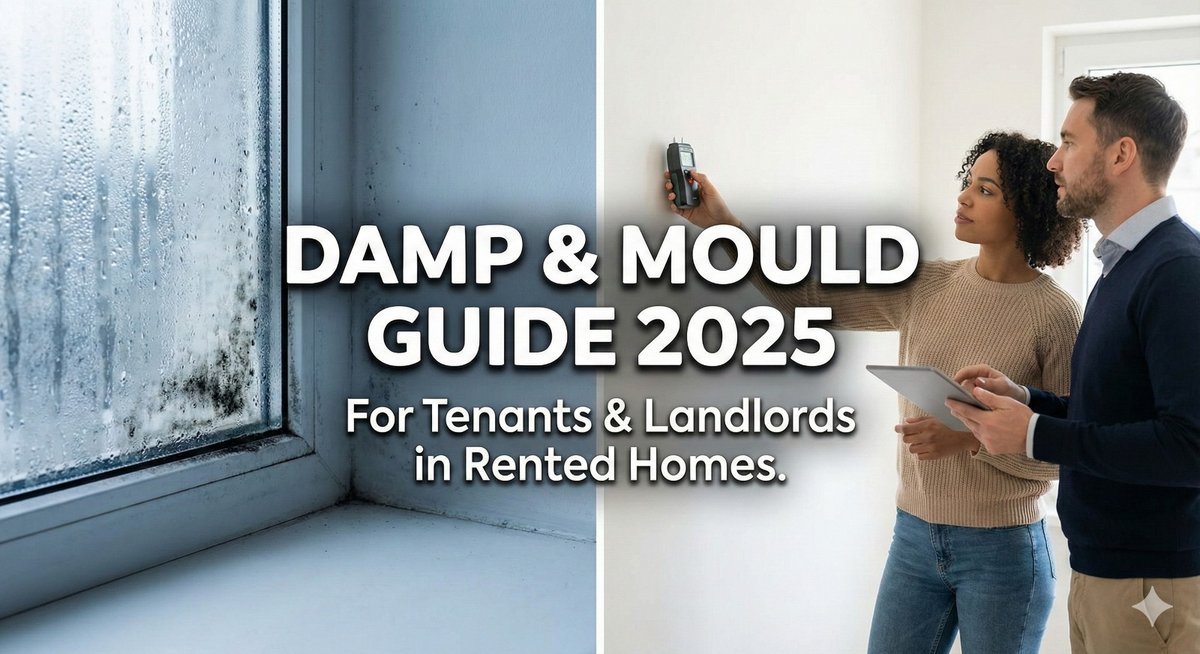
Damp and Mould in Rented Homes: What Tenants and Landlords Need to Know (UK, 2025)
Damp and mould are common but serious problems in rented homes across the UK. This blog explains who is responsible for sorting them out, what tenants and landlords should each do, and why acting early with clear evidence matters. It also points you to places where you can get further help if the is
Damp and Mould in Rented Homes: A 2025 Guide for Tenants and Landlords
Damp and mould are among the most common problems in UK
rented homes, and they can have a serious impact on both health and the
condition of a property. This guide explains what causes damp and mould, who is
responsible for fixing it, and how both tenants and landlords can protect
themselves with proper evidence and clear communication.
Why damp and mould matter
Damp and mould are not just cosmetic issues. They can
trigger or worsen breathing problems, asthma, allergies and other health
conditions, especially for children and people with existing respiratory
issues. The government has warned that damp and mould in rented housing must be
treated as a serious health risk, not blamed on lifestyle or ignored.
For landlords, allowing damp and mould to continue can
damage walls, floors, furniture and fixtures and may lead to enforcement
action, compensation claims or reputational damage. For tenants, living with
these conditions can be stressful, embarrassing and dangerous if nothing
changes.
Common types of damp and mould
Several types of damp can appear in rented homes, and they
are not all caused by the same thing.
- Condensation
damp: Often appears as water on windows or wet patches on cold walls,
especially in bedrooms, bathrooms and kitchens. It can lead to black mould
if not tackled.
- Penetrating
damp: Caused by water getting in from outside through defects such as
cracked render, damaged roofs or leaking gutters.
- Rising
damp: Moisture moving up through walls from the ground when damp proofing
is missing or damaged.
- Plumbing
leaks: Damp patches from leaking pipes, boilers, taps or appliances.
Understanding the likely cause helps work out what needs to
be fixed and who is responsible.
Who is responsible for damp and mould?
In most cases, landlords are responsible for dealing with
damp and mould when it is linked to the structure of the building, a lack of
proper ventilation or a problem with pipes, roofs, windows or heating. If the
damp is caused by a disrepair issue, the landlord must put it right within a
reasonable time once they are told about it.
Tenants normally have to use heating and ventilation
reasonably, avoid causing moisture problems where possible and report issues
promptly so the landlord has a chance to fix them.
Advice services explain that a landlord cannot simply blame
condensation or tenant lifestyle if there are clear property defects such as
broken extractors, no heating in key rooms, rotten windows or leaks. Where
there are serious damp and mould, it may be classed as a hazard that the
landlord must address under housing law.
What tenants should do when they spot damp or mould
Tenants are advised to act quickly and keep a clear record
from day one.
- Record
what you see
Take clear photos or videos showing the affected areas, including close-ups and wider shots, and note the date, room and how long it has been happening. - Report
it in writing
Send a clear written report (for example, by email) describing the problem, when it started and how it affects your use of the home, and keep copies of all messages. - Give
the landlord a chance to respond
Give the landlord a reasonable time to investigate and fix the issue, especially where access is needed, and follow up if nothing happens. - Escalate
if it remains unresolved
For serious or long-running problems, contact the local council’s housing or environmental health team, or, if you are a student, your students’ union or university advice service.
What landlords should do when damp or mould is reported
Landlords are expected to take reports of damp and mould
seriously and respond promptly.
- Acknowledge
the report quickly and explain next steps and timeframes.
- Investigate
the cause with an inspection if needed to identify whether the problem is
structural, related to leaks, ventilation, heating or other factors.
- Fix
underlying disrepair, such as leaks, defective gutters, damaged roofs,
broken fans or missing insulation, and improve ventilation and heating
where needed.
- Keep
proper records of reports received, visits arranged, repairs done, and
communication with the tenant to show reasonable steps were taken.
Recent guidance on Awaab’s Law for social landlords
emphasises the importance of treating damp and mould reports as potential
hazards and following clear timeframes for inspections and repairs, with proper
communication and record-keeping.
Why evidence and timelines are so important
For both tenants and landlords, a clear timeline of what was
reported, what was done and when it happened can make the difference between a
quick resolution and a long dispute.
Tenants need to show when they first reported the damp or
mould, how often they followed up and what response they received. Landlords
need to show how quickly they responded, what inspections and repairs were
arranged and any obstacles, such as difficulty arranging access.
Advice services consistently recommend keeping photos,
written reports and copies of all correspondence to protect both parties if
complaints, council involvement or legal claims arise later.
How a repair log can help both sides
A simple, central place to log repairs and track progress
can reduce stress for everyone involved.
For tenants, a repair log can make it easier to report
issues clearly, with photos and timestamps in one place, so there is a complete
history if they need to escalate.
For landlords and agents, a repair log can ensure no report
is missed or forgotten and provide a clear trail to show that reports were
handled in a reasonable time.
Practical tips to reduce damp and mould risk
Alongside proper repairs and structural fixes, some day-to-day
habits can help lower the risk of condensation, damp and mould forming.
For tenants:
- Use
extractor fans in kitchens and bathrooms if provided, and keep them on for
a while after cooking or showering.
- Open
windows regularly where it is safe, especially after activities that
create steam.
- Avoid
blocking vents and trickle vents.
- Try
to dry clothes outside or in a ventilated room when possible.
For landlords:
- Provide
effective, working extractor fans in kitchens and bathrooms.
- Ensure
windows can be safely opened and have working trickle vents where
appropriate.
- Make
sure heating systems are reliable and suitable for the property.
- Consider
insulation and other improvements where there is recurring condensation.
These steps do not replace the need to fix structural problems, but they can help manage everyday moisture once the main issues have been addressed.
Disclaimer: This article is for general information only and is not legal advice. It may not cover your specific situation and the law can change. If you have a problem with damp, mould or repairs, you should get personalised advice from a qualified adviser, such as Citizens Advice, a housing charity, a solicitor or your local council’s housing team.
Did you find this helpful?